

Hear from Our Customers
You can’t fix what you can’t see. Mold grows behind walls, under floors, in crawl spaces—anywhere moisture gets trapped. By the time you notice that musty smell or see visible spots, it’s already spread.
Professional mold testing gives you the full picture. We use thermal imaging and moisture meters to find mold you’d never spot on your own. You get a detailed report showing exactly where the problem is, how serious it is, and what needs to happen next.
That clarity matters when you’re protecting a $400K+ investment in Farmbrook. It matters when your kids have unexplained respiratory issues. It matters when you’re trying to sell and a buyer’s inspector flags potential mold. Testing removes the guesswork so you can make smart decisions about your property and your family’s health.
We serve homeowners throughout Bucks County with residential mold testing that’s thorough, honest, and backed by real expertise. We’re not a national franchise reading from a script—we’re local professionals who understand how Pennsylvania’s damp winters and humid summers create perfect conditions for mold growth.
We’ve inspected hundreds of homes in Farmbrook and surrounding areas. We know the common trouble spots in older properties and newer construction alike. Our equipment is professional-grade, our process follows EPA guidelines, and our reports are clear enough that you’ll actually understand what’s happening in your home.
When you call us, you’re working with people who live and work in this community. We’re not here to oversell you on services you don’t need. We’re here to give you accurate information so you can protect your home the right way.
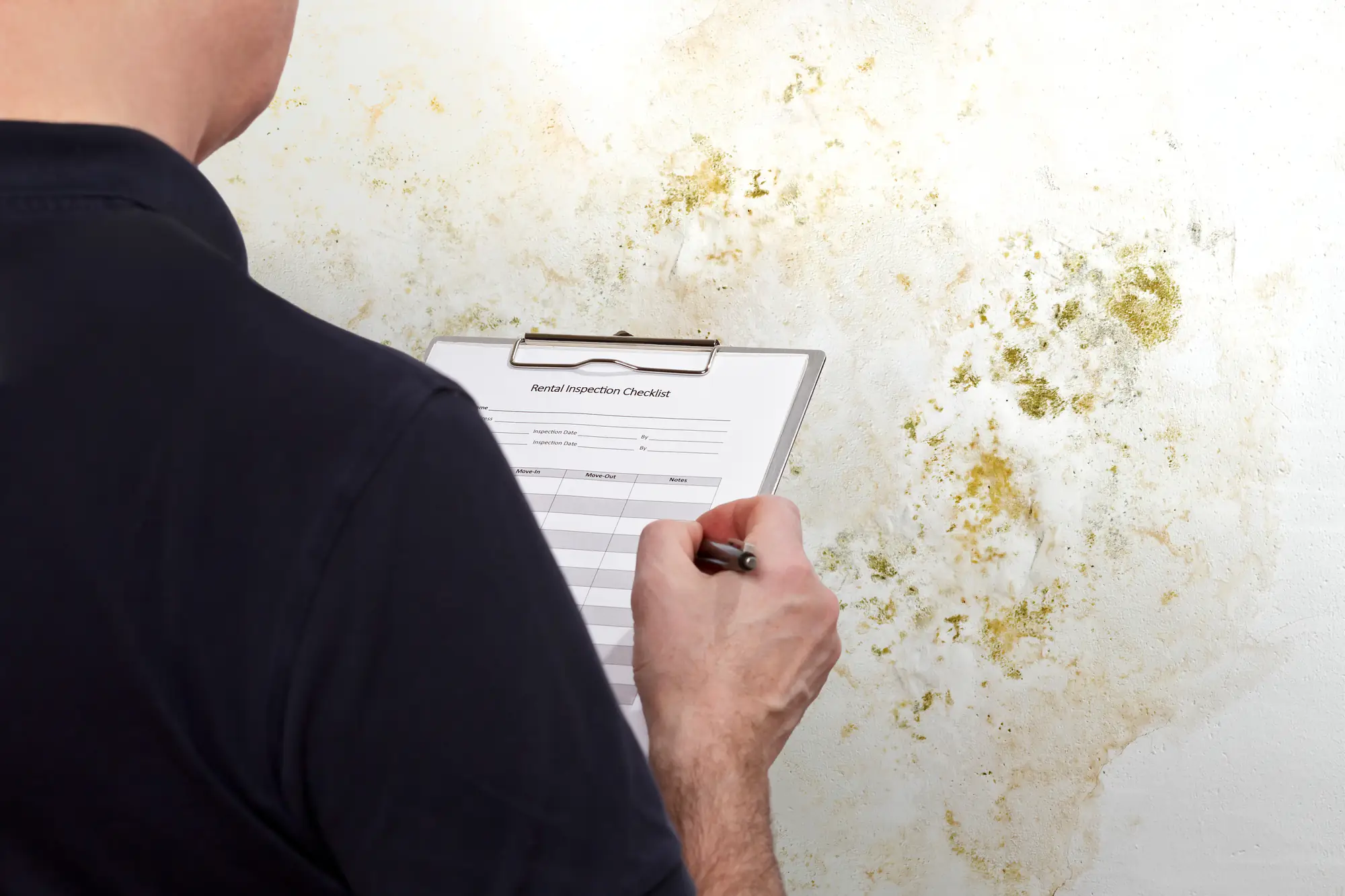
First, we talk. You tell us what you’ve noticed—water damage, musty odors, visible spots, health symptoms, or just a gut feeling something’s off. That conversation helps us know where to focus during the inspection.
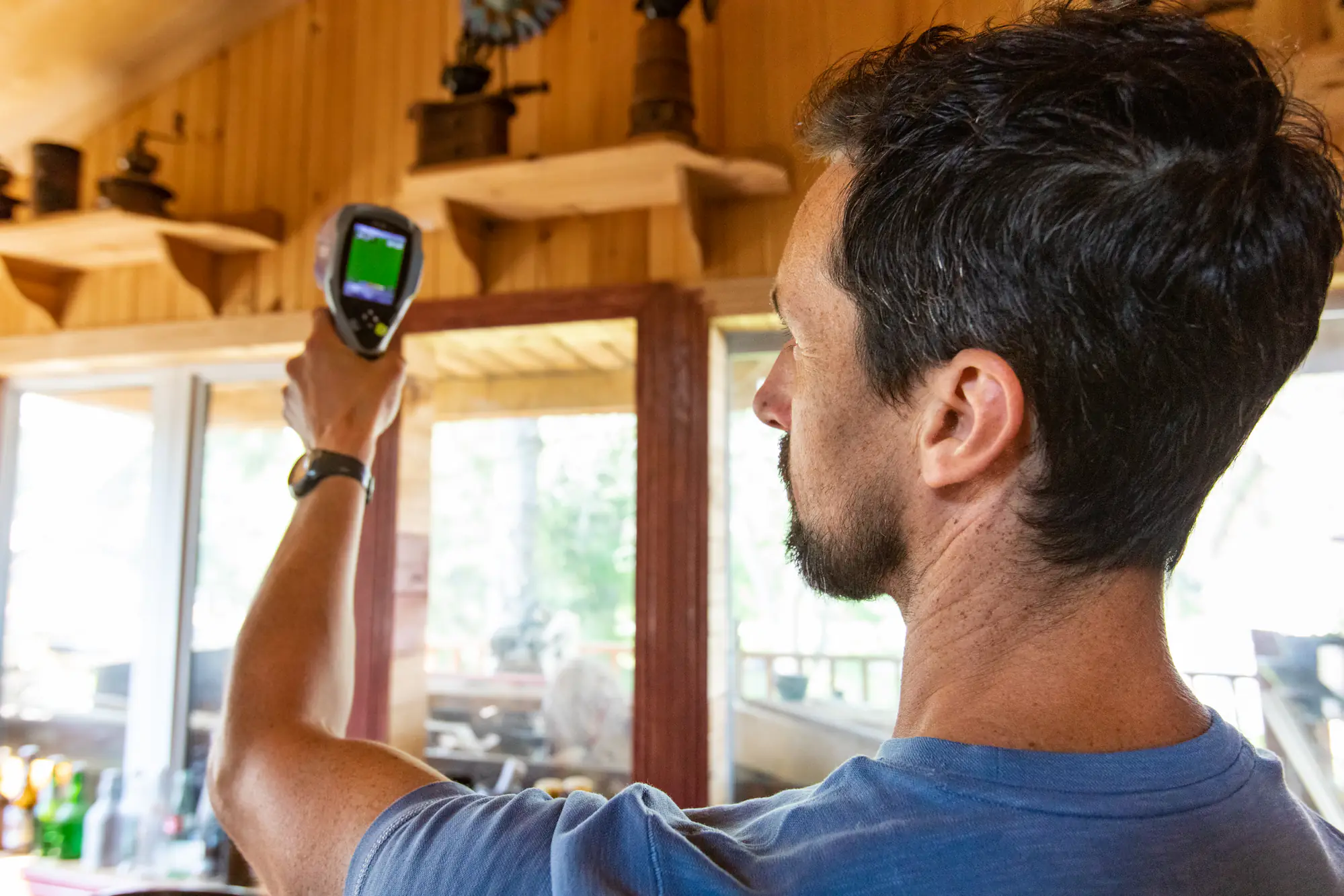
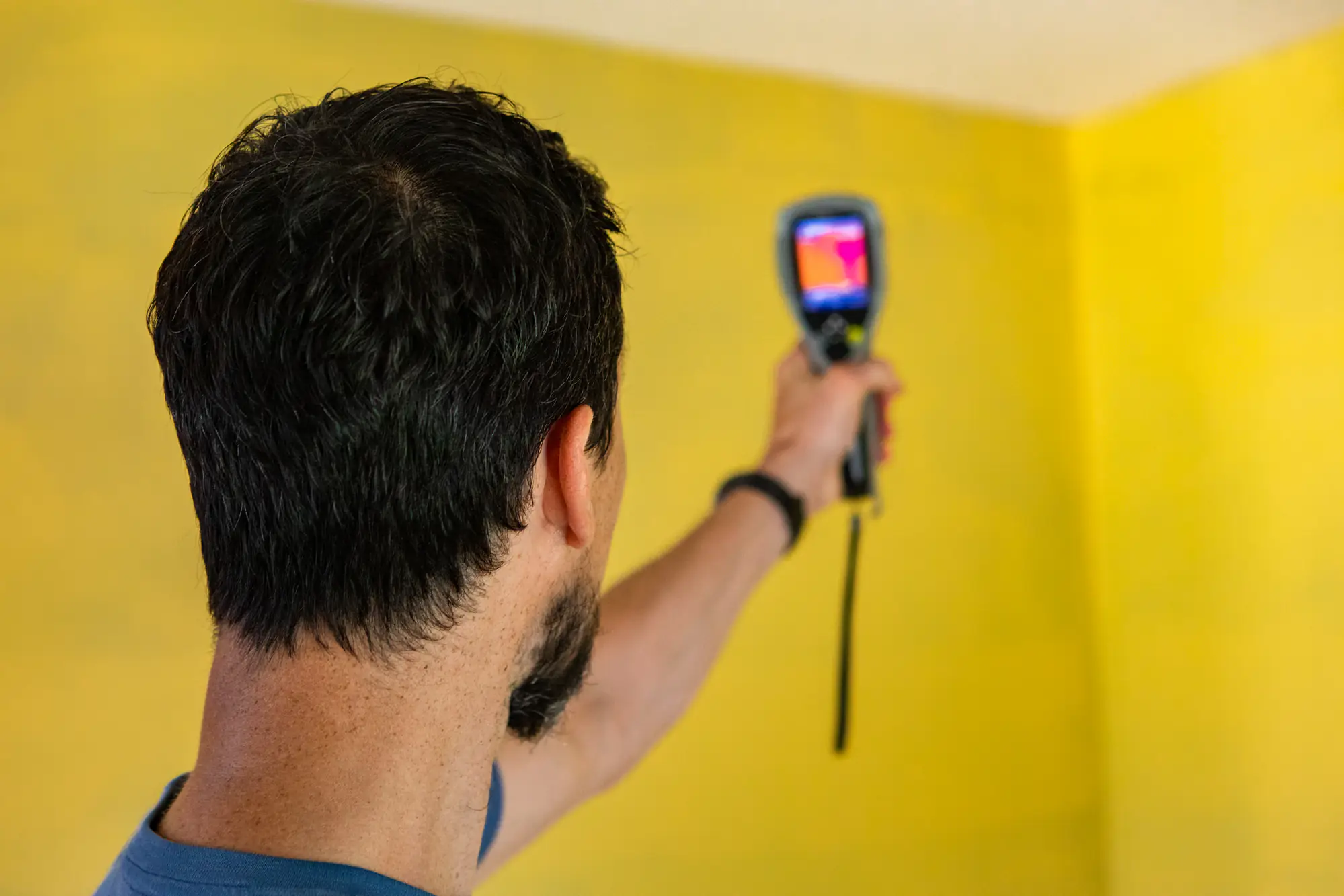
Then we come to your home in Farmbrook and do a thorough walkthrough. We’re looking at obvious areas and hidden ones—basements, attics, crawl spaces, behind appliances, around windows. We use thermal imaging cameras to spot temperature differences that indicate moisture problems. We use moisture meters to measure humidity levels in walls and floors. If we find suspicious growth or conditions that support mold, we collect samples.
Those samples go to a certified lab where mycologists analyze exactly what type of mold you’re dealing with and the concentration levels. Within days, you get a detailed report. We walk you through what it means in plain language. If there’s a problem, we explain your options for remediation. If your home is clear, you have documentation proving it. Either way, you’re not left wondering.
Ready to get started?
A professional mold testing service covers more ground than most people realize. We’re not just looking for visible mold—we’re investigating the conditions that allow it to grow and spread.
You get a complete visual inspection of your property, including areas most homeowners never check. We document moisture levels, ventilation issues, and any signs of water intrusion. Our thermal imaging equipment reveals hidden moisture behind walls and ceilings where mold often starts. We collect air samples and surface samples from suspected problem areas, which get analyzed by certified laboratories.
In Farmbrook, where homes average over $400K and many properties are older with established foundations, this level of detail matters. Northeastern Pennsylvania’s climate puts homes at higher risk—damp winters, humid summers, and proximity to water sources all contribute to mold growth. About 50% of U.S. homes have visible mold according to EPA estimates, and that percentage is higher in our region.
After testing, you receive a comprehensive report breaking down findings by location, mold types identified, spore concentration levels, and specific recommendations. If remediation is needed, we provide a clear plan. If prevention steps will solve the issue, we tell you that too.
Professional mold testing typically runs between $200 and $800 depending on your home’s size and how extensive the inspection needs to be. A basic inspection for a smaller home with one suspected area costs less than a full-property assessment of a larger home with multiple concerns.
That range covers the visual inspection, use of professional equipment like thermal imaging and moisture meters, sample collection, and laboratory analysis. You’re paying for accuracy—certified lab results that tell you exactly what you’re dealing with, not a guess based on what someone saw.
Some companies offer free inspections, but they’re often tied to remediation services you may not need. We’d rather charge a fair price for honest testing than push unnecessary work. If your home needs remediation, we’ll tell you. If it needs better ventilation and a dehumidifier, we’ll tell you that instead.
Most residential mold testing takes two to three hours for the on-site inspection. That includes the walkthrough, equipment readings, sample collection, and discussion of what we found. Larger homes or properties with multiple problem areas may take longer.
Lab results typically come back within three to five business days. Some labs offer rush processing if you’re working against a deadline—like a real estate transaction or urgent health concern—but standard turnaround is usually sufficient for most situations.
From your first call to having answers in hand, you’re looking at about a week. We respond to online quote requests within 24 to 48 hours and can usually schedule your inspection within a few days of that. If you’re dealing with an emergency situation after flooding or major water damage, we can often expedite the timeline.
A mold inspection is the visual assessment—we come to your home, examine all the areas where mold commonly grows, use our equipment to detect moisture and temperature variations, and identify visible mold or conditions that support mold growth. You get our professional opinion on what’s happening.
Mold testing goes further. We collect actual samples—air samples, surface samples, or both—and send them to a certified laboratory. The lab identifies the specific types of mold present and measures spore concentration levels. This gives you scientific data, not just observations.
Most homeowners benefit from both. The inspection finds the problem areas. The testing confirms what type of mold you have and how serious the contamination is. That matters because different molds require different approaches, and knowing spore counts helps determine whether you need full remediation or simpler solutions. It also provides documentation if you’re filing insurance claims or dealing with real estate transactions.
You can buy DIY mold test kits at hardware stores for $10 to $50. They’ll tell you if mold is present—but that’s not particularly useful information since mold exists in virtually every home. What you need to know is where it’s growing, what type it is, how much is there, and whether it’s actually a problem.
Professional testing uses calibrated equipment that measures moisture levels behind walls and under floors where you can’t see. We know where to look based on years of experience with Bucks County homes. We understand how water moves through different types of construction and where mold is most likely to colonize.
The samples we collect go to certified mycologists who can identify specific mold species and quantify spore concentrations. That level of detail helps you make informed decisions. If you’re spending $400K+ on a home in Farmbrook, or you’re concerned about your family’s health, or you’re facing a potential insurance claim, professional testing is worth the investment. DIY kits can’t give you the answers you actually need.
The obvious sign is visible mold growth—dark spots on walls, fuzzy growth on surfaces, discoloration around windows or in corners. But you should consider testing even when you can’t see mold if you’re experiencing certain conditions.
Persistent musty odors are a red flag. Mold produces volatile organic compounds that create that distinctive smell, and it often means growth is happening somewhere hidden. Unexplained health symptoms—stuffy nose, sore throat, coughing, wheezing, burning eyes—that improve when you leave the house suggest mold exposure. If anyone in your home has asthma or allergies that have worsened, that’s another indicator.
Water damage history matters too. If you’ve had flooding, leaks, roof damage, or plumbing issues—even if they were fixed—mold may have started growing before the moisture problem was addressed. High humidity levels, condensation on windows, or poor ventilation create conditions where mold thrives. And if you’re buying or selling a home in Farmbrook, testing provides documentation that protects everyone involved in the transaction. When in doubt, test. Finding mold early prevents bigger problems down the road.
It depends on what caused the mold. Most homeowners insurance policies cover mold remediation if it resulted from a covered peril—like a burst pipe, storm damage, or appliance malfunction that caused sudden water damage. If you filed a claim for water damage and mold developed as a result, testing and removal are often covered.
Insurance typically won’t cover mold that developed from long-term neglect, maintenance issues, or humidity problems. If your basement has been damp for years and mold grew because you didn’t address the moisture, that’s usually on you. Coverage limits for mold vary widely too—some policies cap mold claims at $10,000 or less.
The best approach is to call your insurance company as soon as you discover significant mold or the water damage that might cause it. Document everything with photos. Get professional testing done so you have lab results showing what you’re dealing with. That documentation strengthens your claim if coverage applies. Even if insurance doesn’t cover the full cost, having proof of the problem and professional remediation protects your home’s value and gives you leverage if disputes arise later.
Other Services we provide in Farmbrook